Witam!
Polish history is extremely rich and interesting, but unfortunately mostly unheard of in the French (or Finnish) curriculum.
I stayed in Poland for 4 days, and honestly I regret having decided to do both Kraków and Warsaw in 1 day or so, it has been a huge mistake as there are so many things to see and do in both. But anyways, let’s start from the beginning, shall we?
Arriving late (thanks to the night train) in Krakow on Tuesday morning, I was really afraid of missing my visit to Auschwitz, which I really wanted to see. Fortunately I arrived there on time.
7.1 – Oświęcim
I don’t think I want to write anything here, and I didn’t take any pictures.
It is definitely something you should see by yourself one day or the other, but I would recommend being ready to go, as well as keeping in mind that it is far closer than what we would want to.
Anyways, that made my first day in Poland, and I definitely needed time to think and rest.
7.2 – Kraków
The next day I visited the former Capital of Poland (until 1596, if we let aside WW2), one of the major cultural, academic and sometimes political hubs in Central Europe.
- 800k/1,5mn inhabitants
- President: Jacek Majchrowski (Independent)
- The Old Town and the Wawel castle are both part of the UNESCO’S world heritage list.
- This is where the pope John Paul II is from.
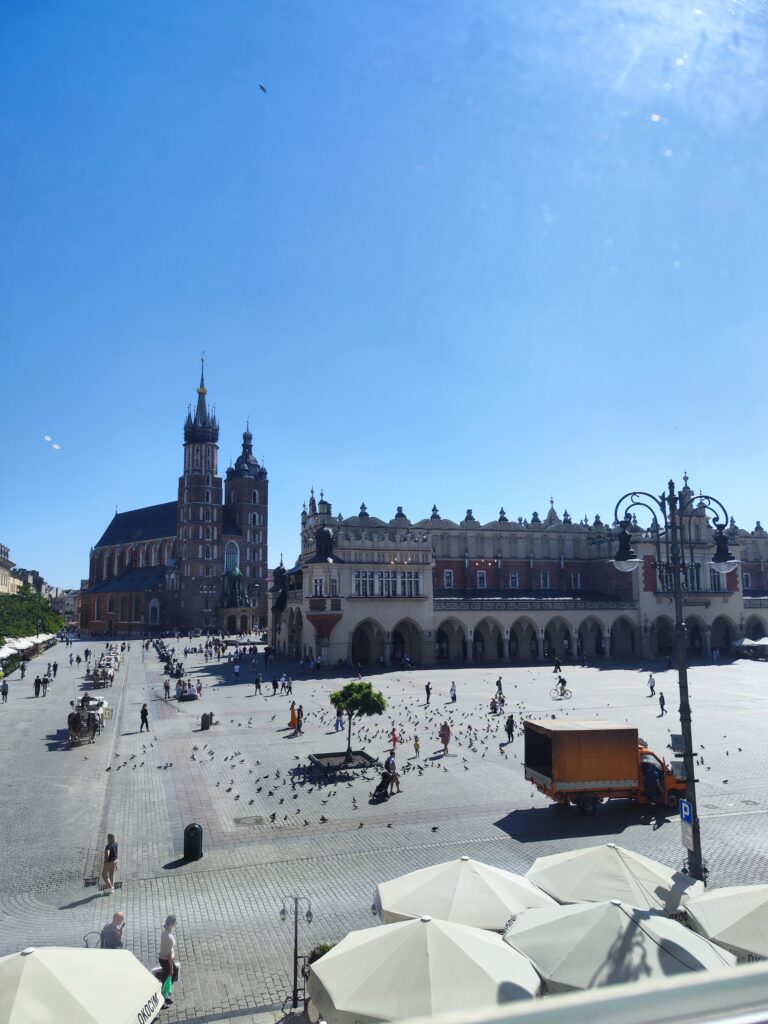
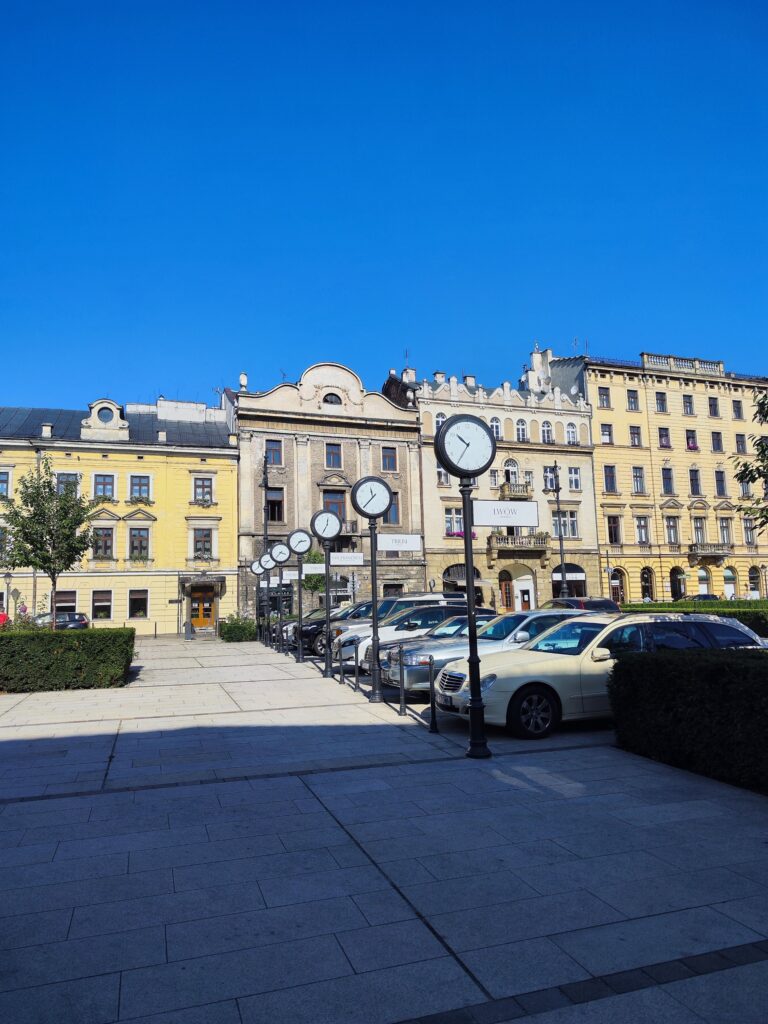
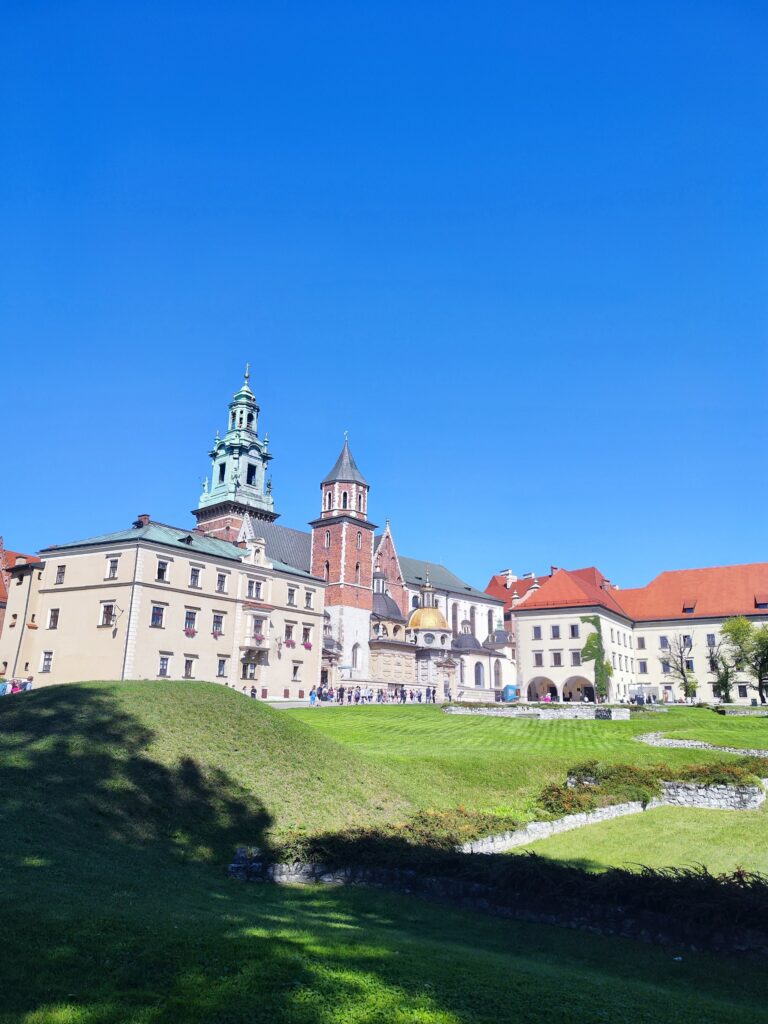
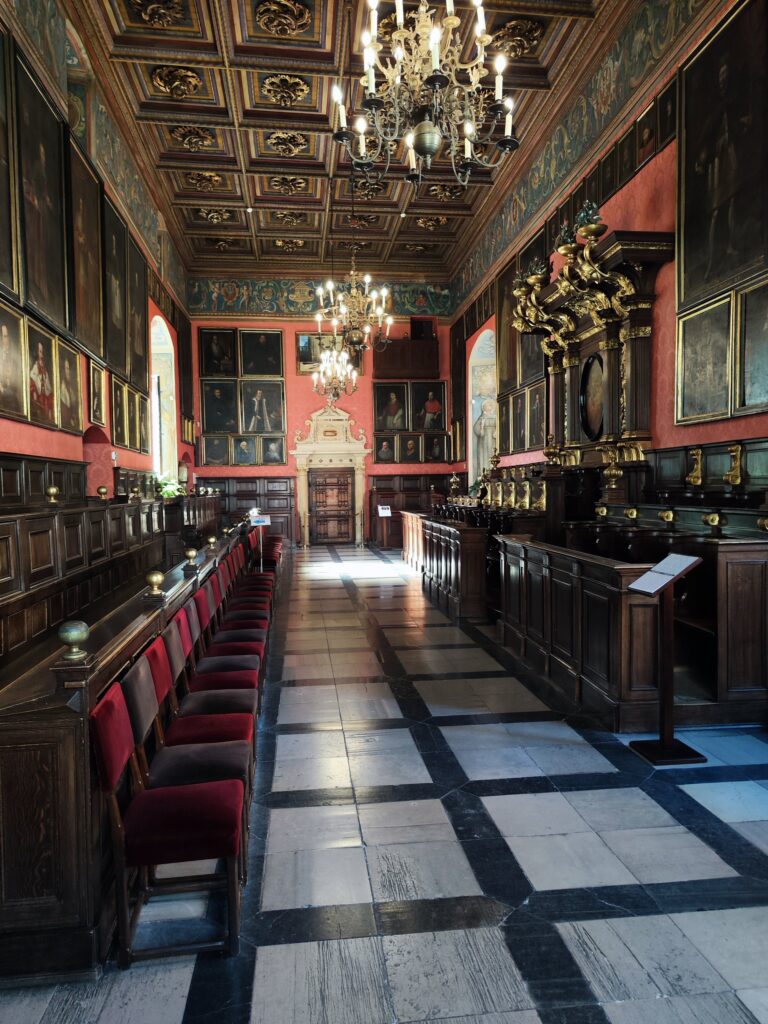
I really liked Kraków, it might be one of the cities I liked the most during my trip. People do not seem to be in a hurry, they walk peacefully, the old town is really pretty and the cultural life seems to be quite developed.
I made the mistake while planning my trip to decide to visit both Kraków and Warsaw in only 3 days, which is clearly not doable, I now realise that. Two days wouldn’t have been enough even…
So it was already time to leave for Warsaw…
7.3 Warsaw
I have had mixed feelings about Warsaw, and especially its Old Town:
The Polish Capital’s urban history is intrinsically linked with both WW2 , the Soviet era, and the post-soviet era.
The aftermath of the Warsaw Uprising (the biggest « battle » solely led by a resistance (Polish Home Army/Polish underground) movement during the war, an event of the highest importance for the Poles) comprised the destruction of almost the whole city. When the Germans left, less than 1% of the pre-war population was still living in the ruins of where Warsaw used to stand. – I went to the Warsaw Uprising Museum as many people advised me to go there -.
After the war, they decided to rebuild the city, and for large parts including the Old Town, they tried to be as close as possible to how it was before the war, or sometime even earlier. Hence, if you visit Warsaw beware that most palaces, old houses, churches etc. are replicas somehow. They are still doing it btw: for instance they have started rebuilding the « Saxon Palace », a promise made by Duda in 2018 for the 100th anniversary of Poland’s independence. It is important to note that the Old Town is a UNESCO world heritage site for its reconstruction: https://whc.unesco.org/en/list/30.
In the meantime many « soviet » buildings were built. The most famous is the « Palace of Culture and Science », is a jewel of Socialist Classicism – which some in Poland have called to destroy, including the current PM -.
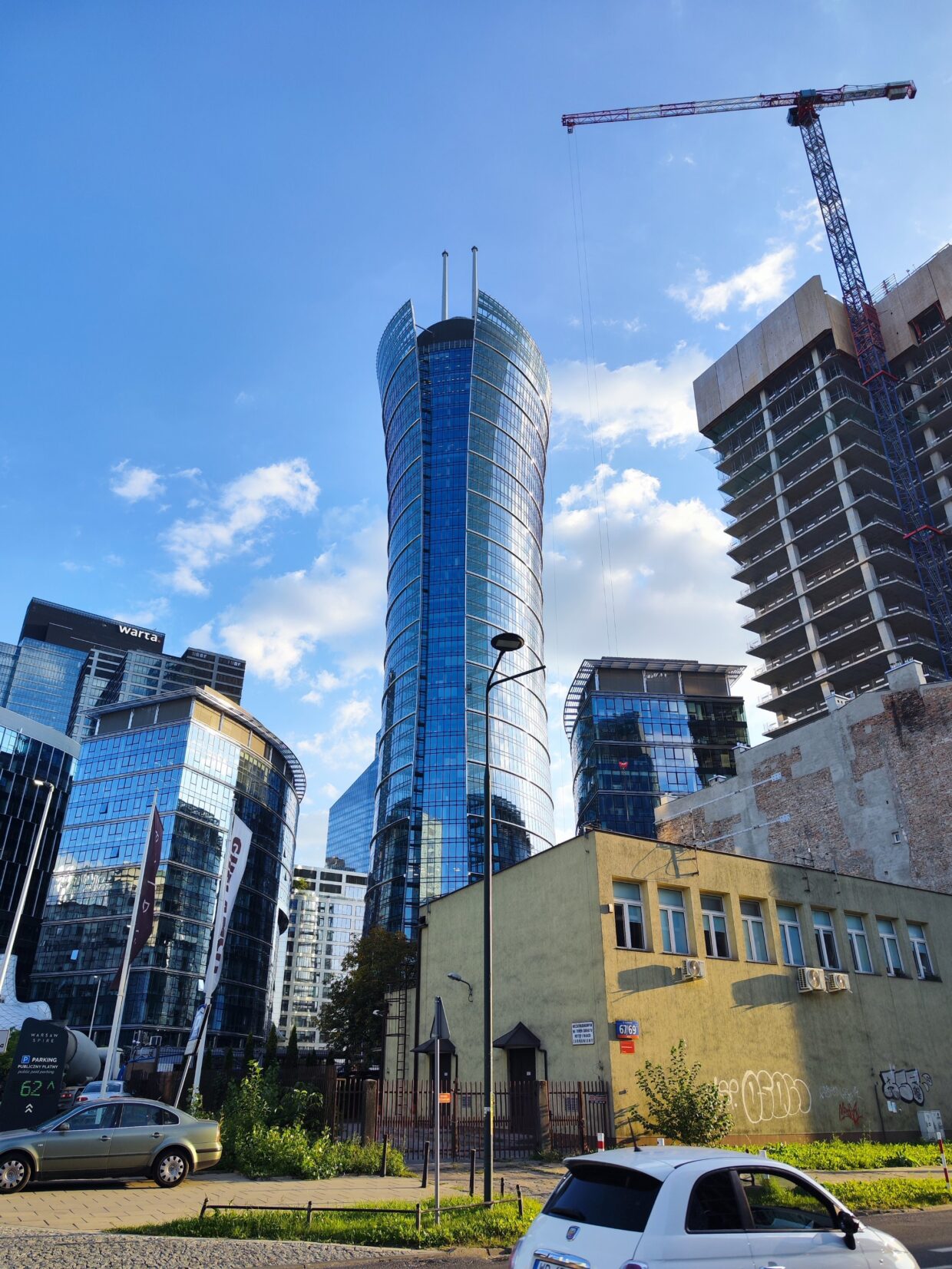
Since the fall of the Eastern Bloc, many skyscrapers have been built and the city’s skyline is constantly changing.
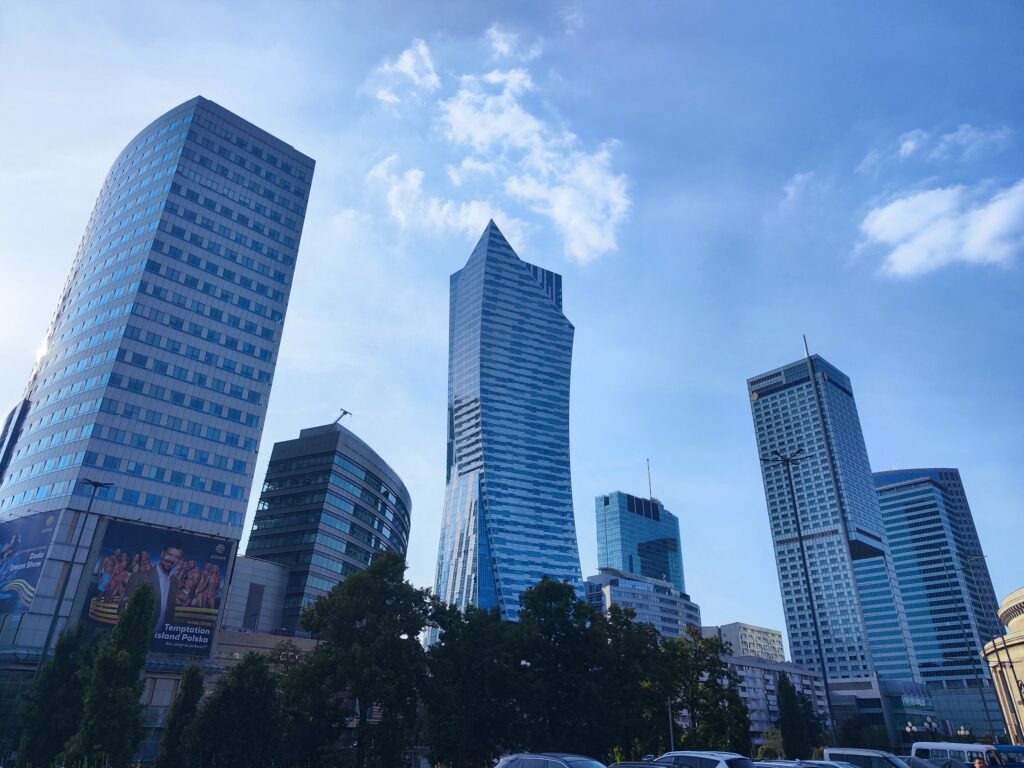
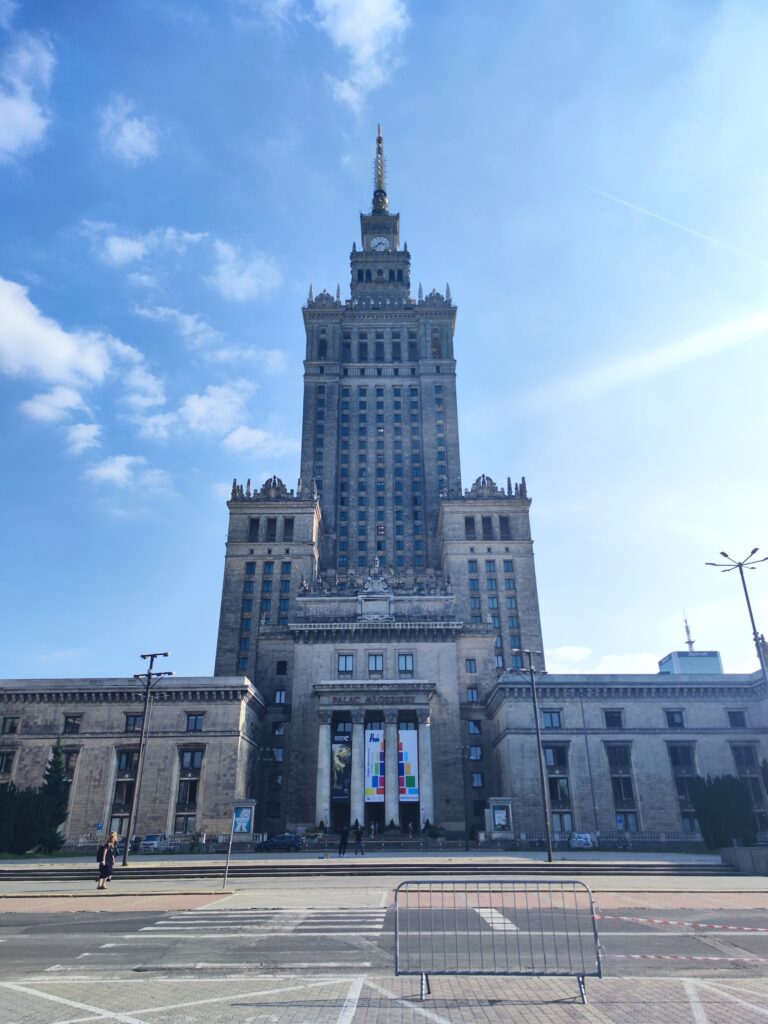
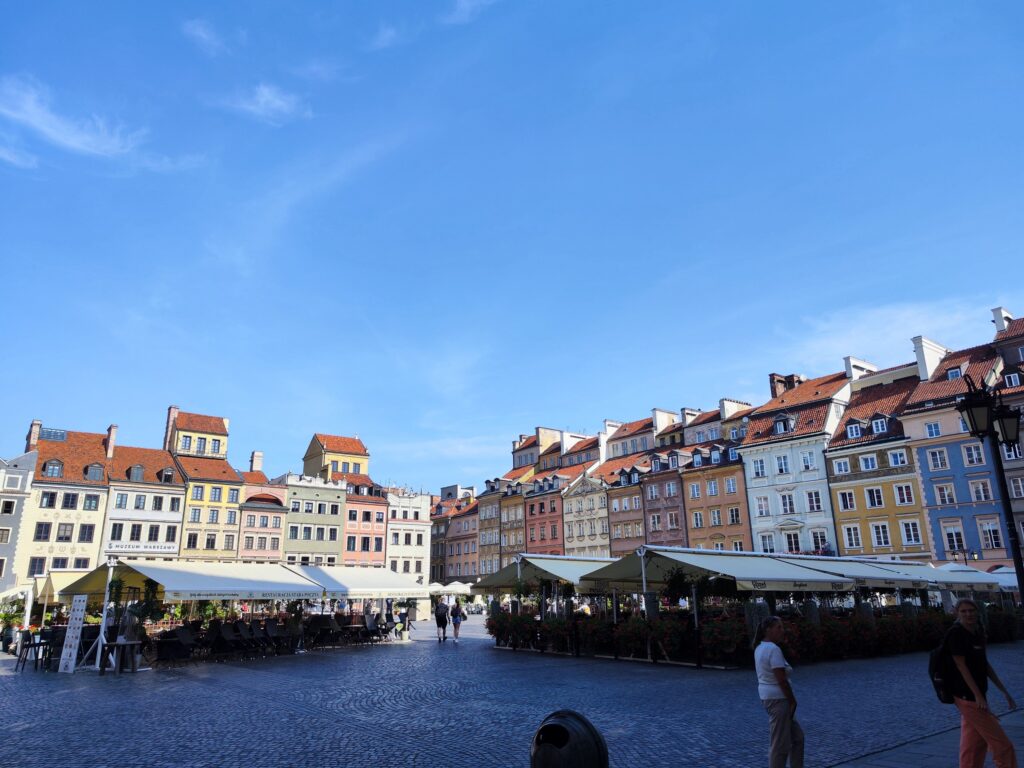
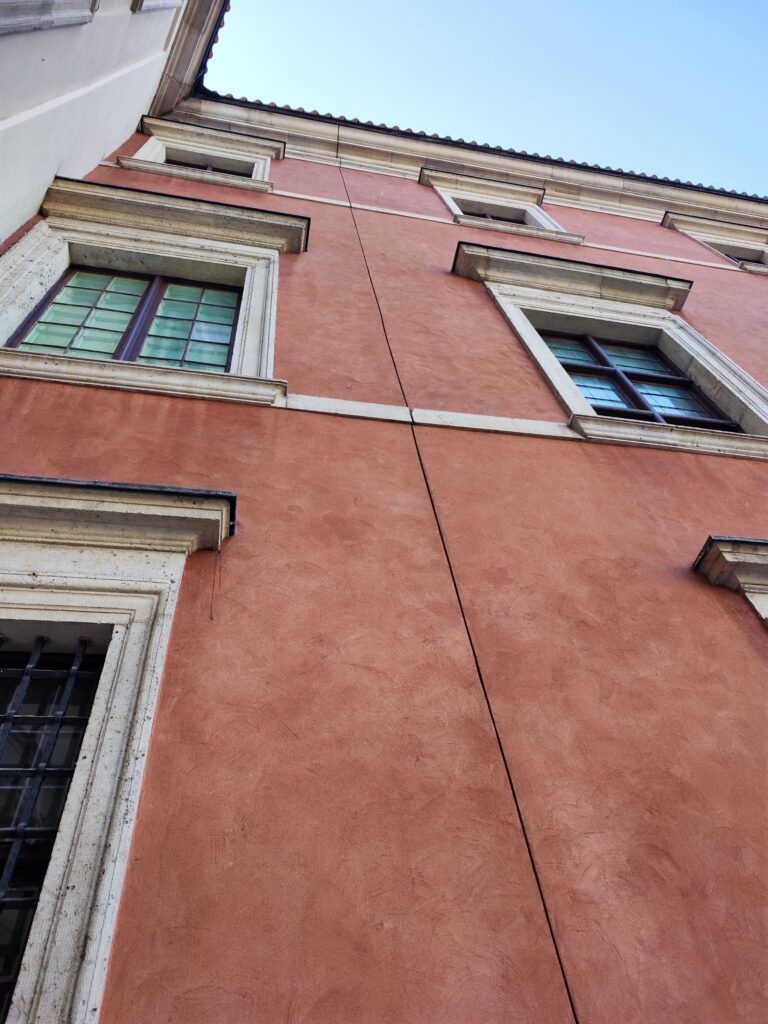
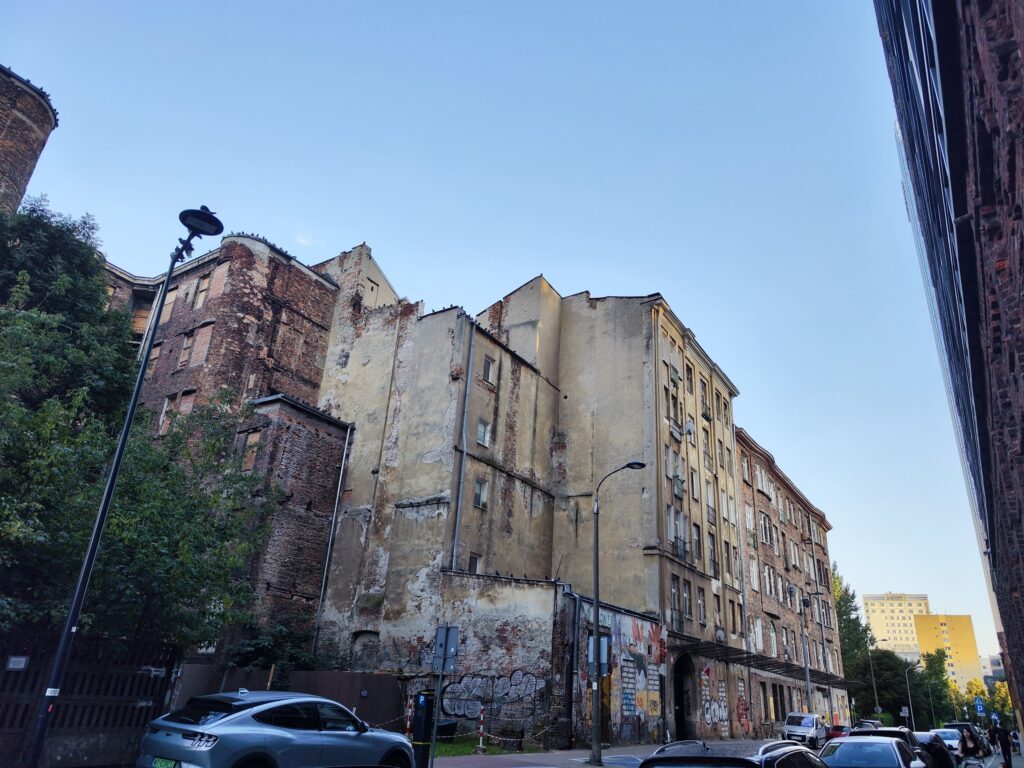
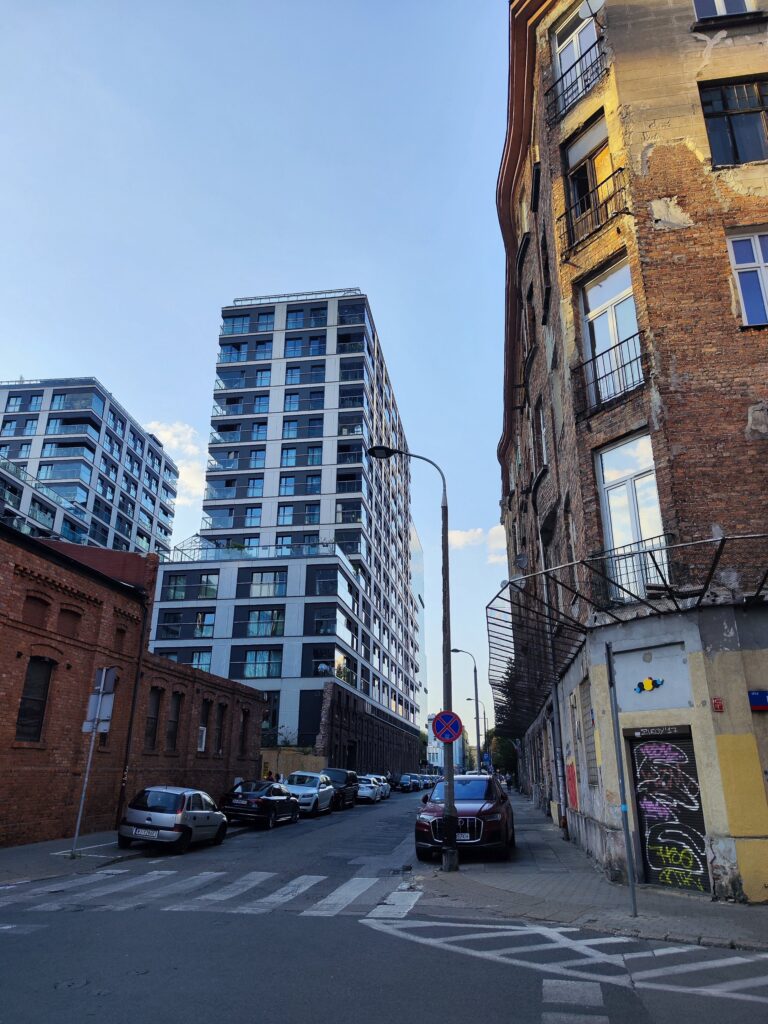
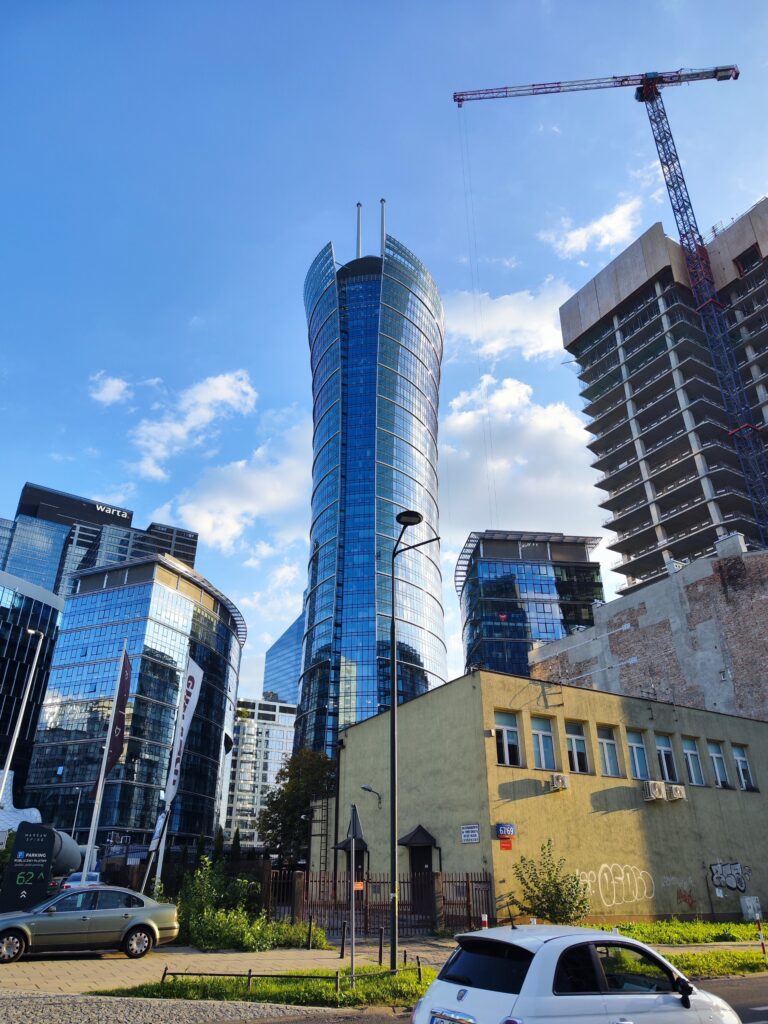
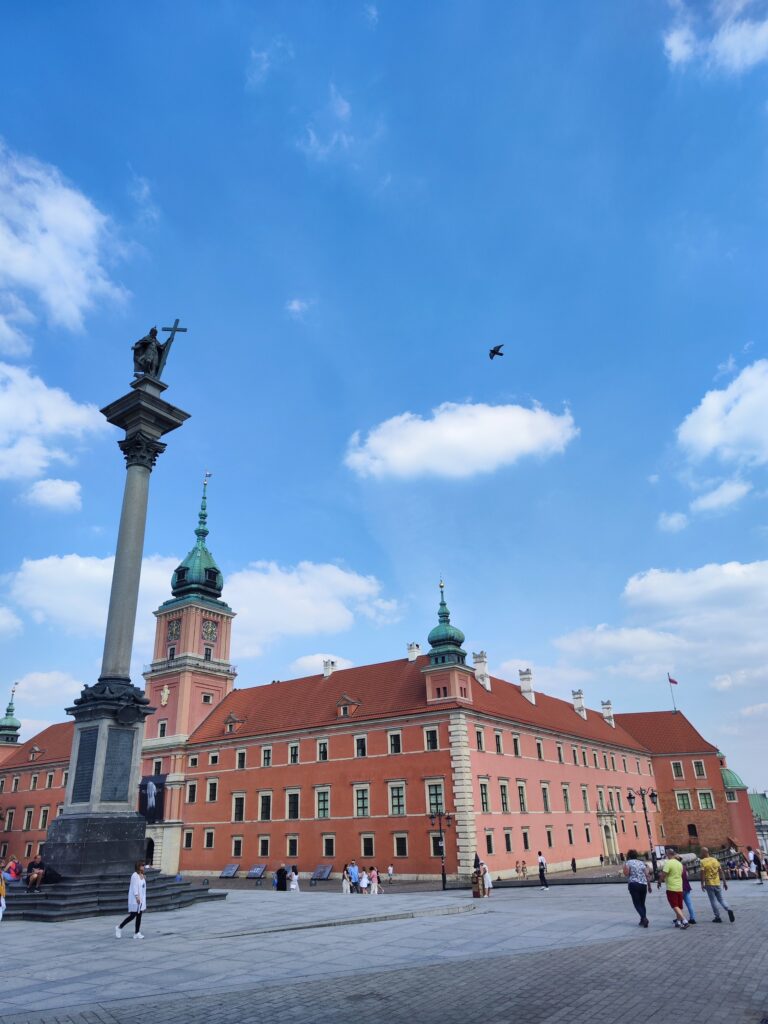
This made me wonder about the whys of such « identical » reconstruction. I wanted to understand the reasons behind such a gigantic project, while they could have changed the city completely… I still haven’t got my answer, even though I have been asking around, including at the reconstruction interpretation centre.
In my opinion, it shows how important the buildings are in our own identity, how those are conveying as much history as a history book would, and how easy it is to change, alter or hide this history. The Nazis wanted to destroy and rebuild Warsaw in order to have a flagship of German architecture.
What about destroying monuments, buildings because they are no longer fit to the current views? What about recreating a whole city as if some terrible events had not happened? Why? These are important questions, and Warsaw is imo the city which shows these contradictions the most.
This city has thus 4 layers, all of which can still be seen in some places, which is really interesting. You can see that there’s a lot of liveliness, that things are happening, and it would probably be a really nice city to live in.
But it was already time to leave, I didn’t get the chance to explore more… It was the penultimate stop before going home, and the last one of my « solo-travel » journey: indeed, my cousin is joining me for the grand final, the cold war epicenter, Berlin.
See you 😉
En savoir plus sur Jules Geoffroy
Subscribe to get the latest posts sent to your email.